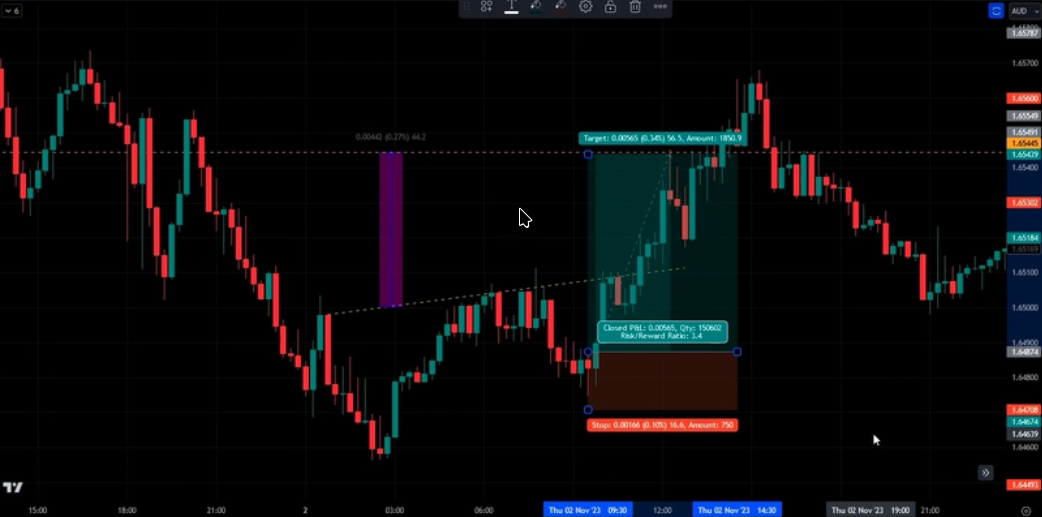
Quasimodo-entry
- Draw a valid neckline
- Confirm that it is steeply angled
- Down for H&S
- Up for IH&S
- Wait for price to return to approximately the same level as the high/low of the left shoulder
- Look for entry setup candles and enter the normal fashion
(Just wait for the top of the shoulder, then straight in).
In this example, the right-shoulder retrace is close enough to the left shoulder. From this point on, we can look for entry candles.
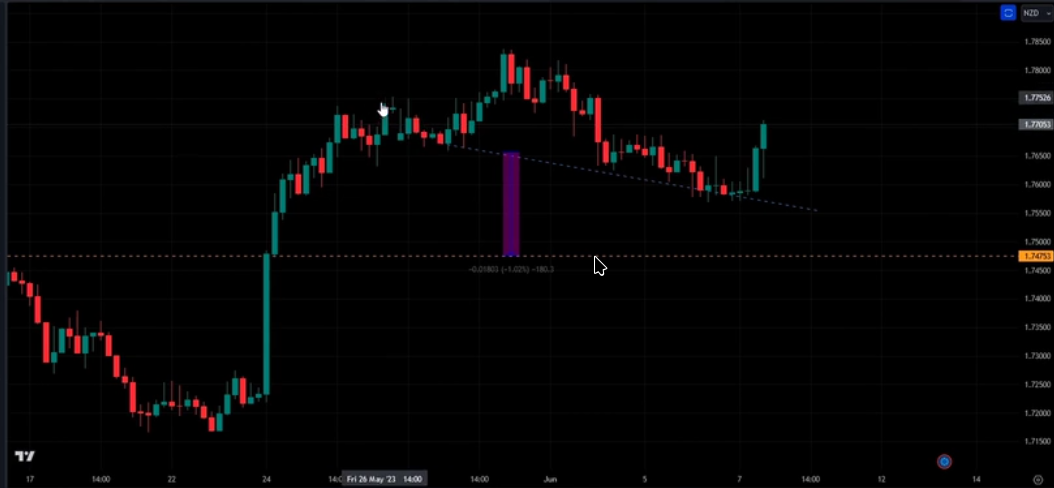
Enter in that red pinbar near the end:
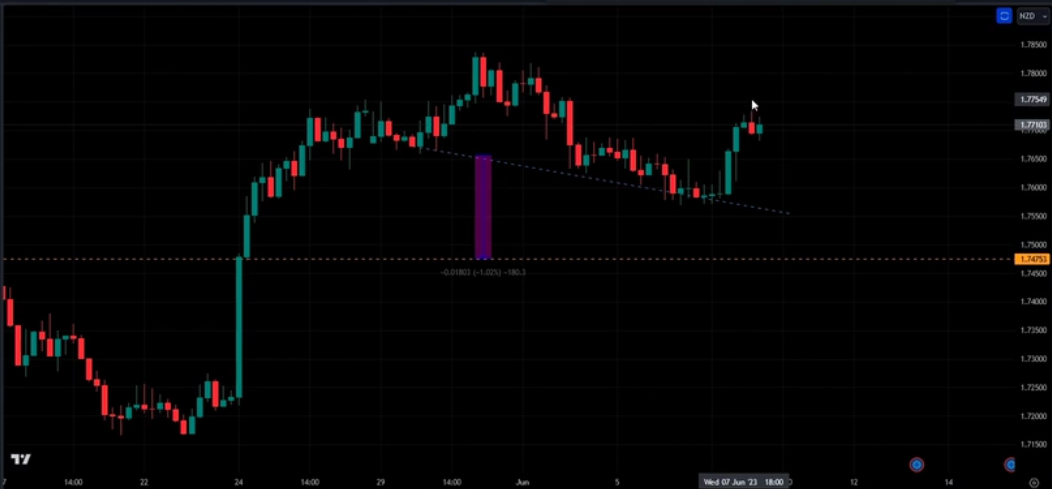
We won! It did get an actual entry in the end, but the quasimodo entry gets a better risk to reward ratio.

The reason this is allowed is because we have a break of structure.
The start of the neckline is a low
Because the neckline is sloped downwards, the bottom of the right shoulder neckline close, will be a lower low.
You don't need a close below, but it is preferred.
Right Shoulder Level Requirement
For Quasimodo entries, the right shoulder must retrace back to roughly the same level as the left shoulder.
- It doesn't have to be exact - just "into the vicinity" of the left shoulder level
- The right shoulder can go higher than the left shoulder, but cannot breach the head
- Once the right shoulder reaches approximately the left shoulder's level, you can look for entry candles
- Entry opportunities exist from the left shoulder level all the way up to (but not exceeding) the head
Candle Count for Quasimodo
Because there's no early break of the neckline in Quasimodo entries, the candle count measurement is different from standard H&S:
- Minimum: 20 candles
- Measurement: From the left of the left shoulder (drawing a horizontal line left as in the standard method) to the highest point of the right shoulder (or lowest point for inverted H&S)
This is shorter than the standard 30-candle minimum because the pattern confirms earlier via the break of structure.
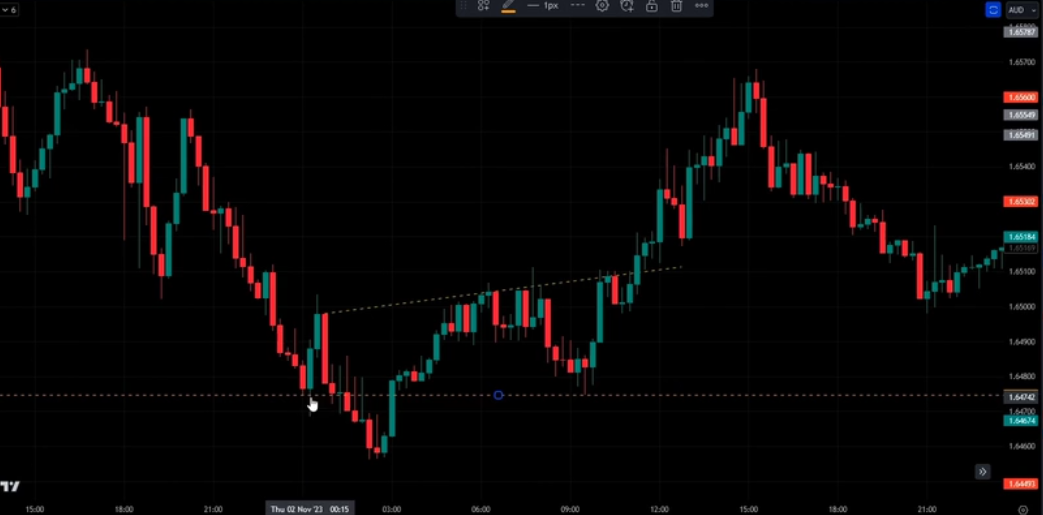
EUR/AUD IHS example
You couldn't enter in that first right shoulder, but the second right shoulder is close enough.
Win! Try to look for 3:1 minimum for super aggressive stop losses.